Urethral stricture is a significant health issue that can affect many people’s quality of life. This condition, resulting from the narrowing of the urethra, can complicate daily activities. Problems with urine flow can negatively impact a person’s physical and emotional health. This article provides detailed information on what urethral stricture is, its causes, symptoms, and treatment methods.
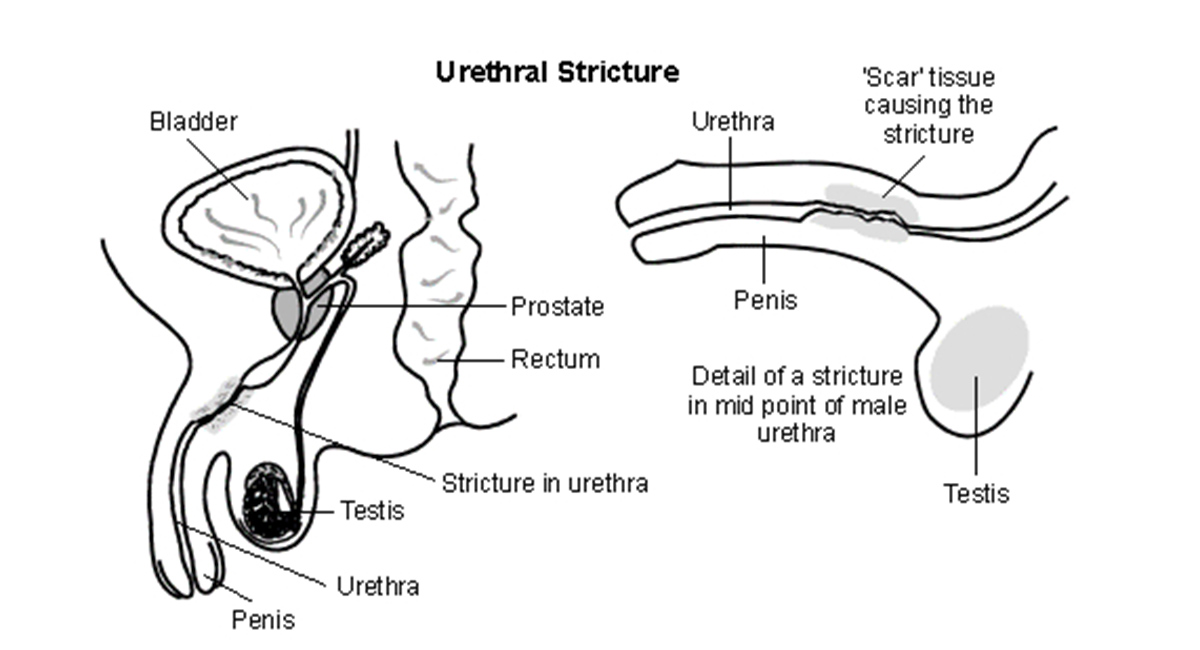
The urethra is a narrow tube that allows urine to exit the body from the bladder. In males, the urethra is longer and carries both urine and semen. In females, the urethra is shorter and solely functions to transport urine. A healthy urethra ensures smooth elimination of urine from the body. Therefore, any narrowing in the urethra can significantly affect urine flow.
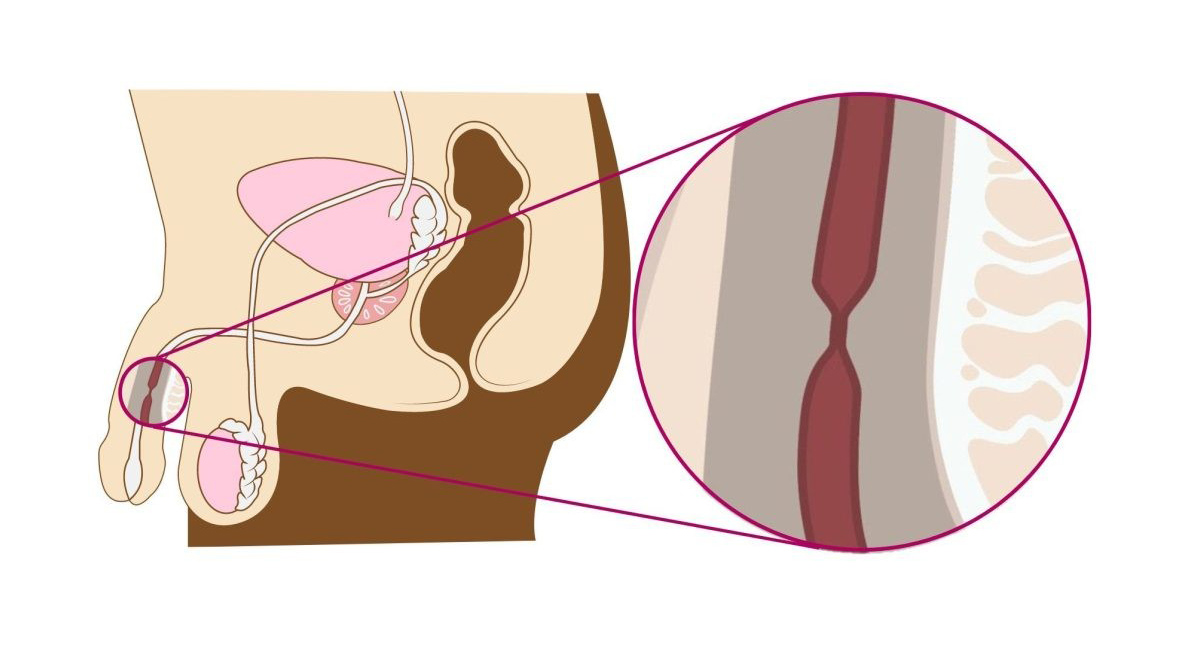
Urethral stricture is the narrowing or blockage of a portion of the urethra. This narrowing can restrict urine flow, preventing the bladder from fully emptying. Urethral stricture often develops due to the formation of scar tissue. This scar tissue causes the urethra to lose its flexibility and narrow.
Trauma and Injuries: Direct trauma or injury to the urethra can lead to urethral stricture. Traffic accidents, sports injuries, or falls can damage the urethra. Such traumas can cause scar tissue formation and narrowing of the urethra. In men, particularly, blows to the pelvic area increase the risk of urethral stricture.
Surgical Interventions and Complications: Certain surgical procedures can lead to the development of strictures in the urethra. Prostate surgeries, bladder cancer treatments, or urological surgeries can cause damage to the urethra, increasing the risk of stricture. Post-surgical infections or wound healing issues can also lead to strictures.
Infections and Inflammations: Inflammation of the urethra, known as urethritis, often develops due to sexually transmitted infections. These infections can cause inflammation and scar tissue formation in the urethra. Over time, this scar tissue can lead to urethral narrowing. Chronic infections are a major cause of urethral stricture.
Congenital Anomalies: In some individuals, urethral stricture is congenital. Developmental anomalies can cause the urethra to be narrower than normal. Such conditions can be detected during childhood and may require early intervention. Congenital urethral stricture, although rare, can lead to serious health problems.
Difficulties in Urination: Individuals with urethral stricture may experience difficulty urinating. The process of urination can be prolonged and uncomfortable. The urine flow may be weak or intermittent. This situation can negatively impact daily activities and limit social life.
Decreased Urine Flow: The most noticeable symptom of urethral stricture is a decrease in urine flow. Urine may come out as a thin stream, and the bladder may not be completely emptied. This situation increases the need for frequent urination and can cause pressure on the bladder.
Frequent Urination and Urgency: Incomplete bladder emptying increases the need to go to the bathroom frequently. Additionally, a sudden and strong urge to urinate is a common symptom of urethral stricture. This feeling can often be bothersome and make daily life difficult.
Blood in Urine and Changes in Urine Color: In individuals with urethral stricture, blood in the urine may also be observed. Changes in urine color may indicate underlying infections or inflammation. The presence of blood in the urine may require urgent medical intervention and indicate serious underlying health issues.
Physical Examination and Medical History: For individuals suspected of having urethral stricture, the doctor first performs a physical examination and reviews the patient’s medical history. This process includes gathering information about previous surgeries or traumas. This process is the first step in an accurate diagnosis and helps the doctor create a treatment plan.
Uroflowmetry and Urine Flow Tests: Uroflowmetry is a test that measures the speed of urine flow. This test helps determine the degree of urethral stricture. In individuals with stricture, the urine flow rate is low and the duration is prolonged. Uroflowmetry results play an important role in treatment planning and determine the severity of the stricture.
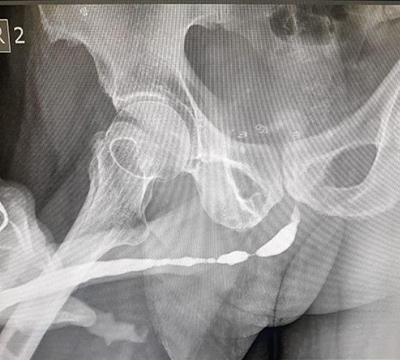
Urethroscopy and Imaging Techniques: Urethroscopy is a technique used to directly examine the urethra. This method provides a detailed view of the internal structure of the urethra. Additionally, imaging techniques such as ultrasound and MRI can be used in diagnosis. These techniques help determine the location and size of the urethral stricture.
Urinalysis and Other Laboratory Tests: Urinalysis is performed to detect signs of infection and other abnormalities. It investigates the presence of bacteria, leukocytes, or blood in the urine. Additionally, blood tests and other laboratory tests can help explore the underlying causes of urethral stricture. These tests provide important information for planning the treatment process.
Effectiveness of Medication: Medication is an option aimed at alleviating the symptoms of urethral stricture. However, medications typically do not correct the stricture itself. Antibiotics and painkillers are used for pain and infection control. While medication temporarily alleviates symptoms, it does not provide a permanent solution.
Use of Dilators and Widening Procedures: The use of dilators is a method applied to widen the urethra. This procedure involves inserting thin rods into the urethra to widen the narrowed area. Dilators can help alleviate the stricture, but they do not provide a long-term solution. Repeated applications may be necessary.
Urethrotomy - Surgical Intervention: Urethrotomy is a method used to surgically open a urethral stricture. In this procedure, the narrowed area of the urethra is cut and opened. Urethrotomy reduces the risk of recurrence of the stricture and generally yields successful results. However, careful follow-up is required after surgical intervention.
Urethroplasty - Reconstruction and Repair: Urethroplasty is a surgical procedure performed to reconstruct and repair the urethra. This method is preferred for more complex and long-term strictures. Urethroplasty restores the normal width and function of the urethra. The long-term success rate is high.
Diet and Lifestyle Changes: Diet and lifestyle changes can help alleviate the symptoms of urethral stricture. A healthy and balanced diet supports the health of the urinary tract. Drinking plenty of water facilitates urine flow and helps the bladder empty completely.
Herbal Treatments and Natural Remedies: Herbal treatments can be used to alleviate the symptoms of urethral stricture. Certain herbal teas and supplements support urinary tract health and may reduce inflammation. However, the effectiveness of these treatments has not been scientifically proven and should be used with a doctor’s advice.
Physical Therapy and Pelvic Floor Exercises: Pelvic floor exercises can improve urine flow in individuals with urethral stricture. These exercises help strengthen pelvic muscles and increase urine control. Physical therapy can play a supportive role in alleviating the symptoms of urethral stricture.
© 2025 Om Kidney Hospital. All Rights Reserved. Designed & Developed By: Desiration Hub.

 Appointment