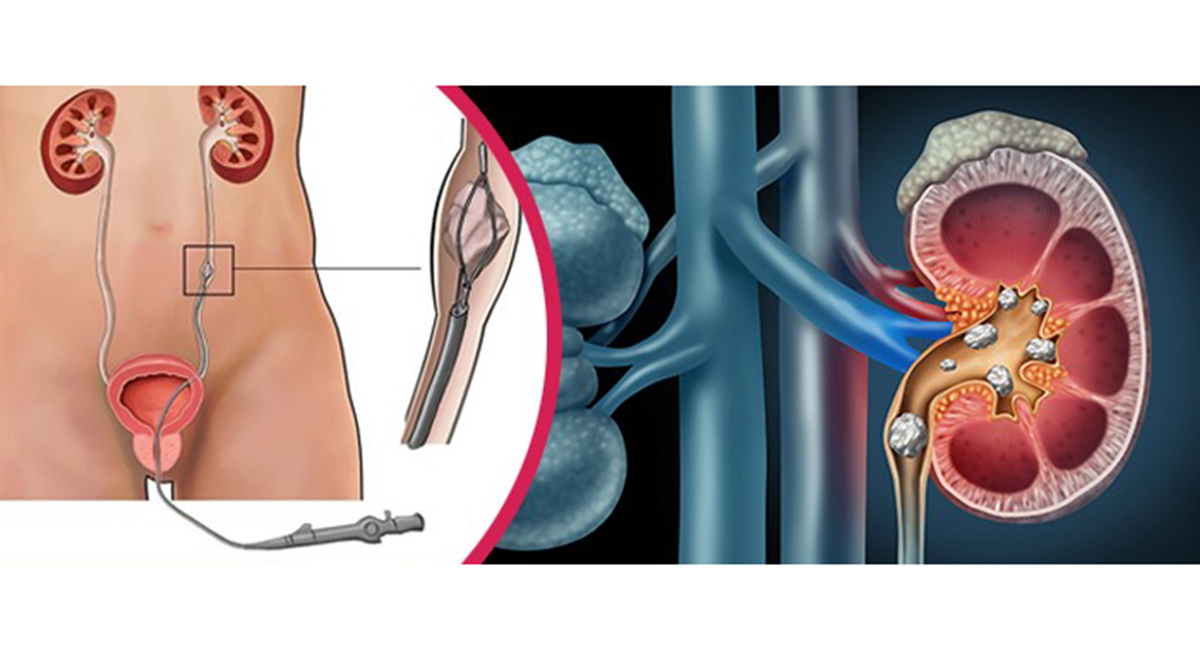
Ureteroscopic lithotripsy or URSL is a modern procedure to treat kidney stones that are immune to medications and other non-surgical methods. URSL provides a high stone passage rate with minimal complications. Ureteroscopy uses precision laser treatment for kidney stone removal stuck in the ureteral passage.
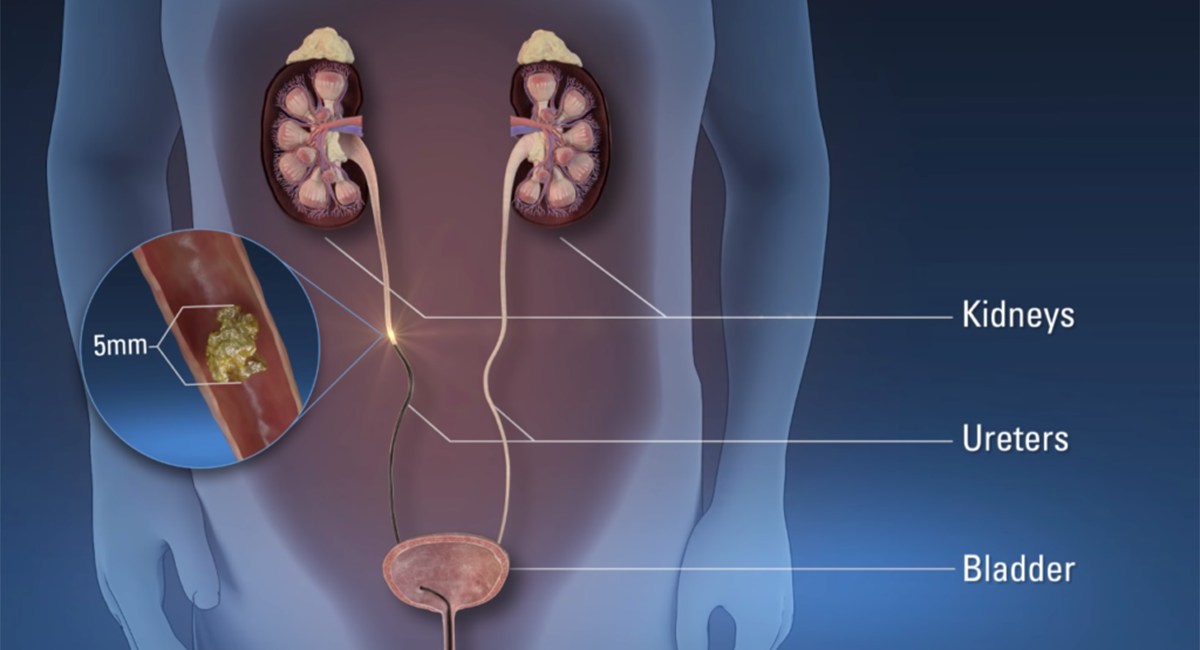
The procedure is typically performed with the patient under general anaesthesia (asleep).
During this procedure, a ureteroscope is inserted through the urethra and bladder into the ureter (a tube that carries urine from the kidneys to the bladder) or kidney.
X-ray images with a contrast agent (dye) in the ureters may be used to allow the urologist to see where the stone is located and to rule out other abnormalities.
The ureteroscope is long and thin with a tiny fibre optic camera at the end that is used to see beyond the bladder into the ureters.
Once the stone is located, it is pulled out directly with a “stone basket” or a laser is used to break the stone into smaller pieces before they are extracted using the basket.
Some ureteroscopes are flexible like a thin and long straw. Some are more rigid and harder. In most cases, a urethral stent (a piece of surgical plastic that goes from the kidney to the bladder through the ureter) will be placed at the end of the procedure.
In a small number of cases (less than 5%), the ureter is too narrow to safely permit passage of the ureteroscopy into it. When this occurs a urethral stent is placed and stone removal is delayed one to two weeks. The stent gently stretches the ureter allowing safe passage of the scope at a later date.
© 2025 Om Kidney Hospital. All Rights Reserved. Designed & Developed By: Desiration Hub.

 Appointment