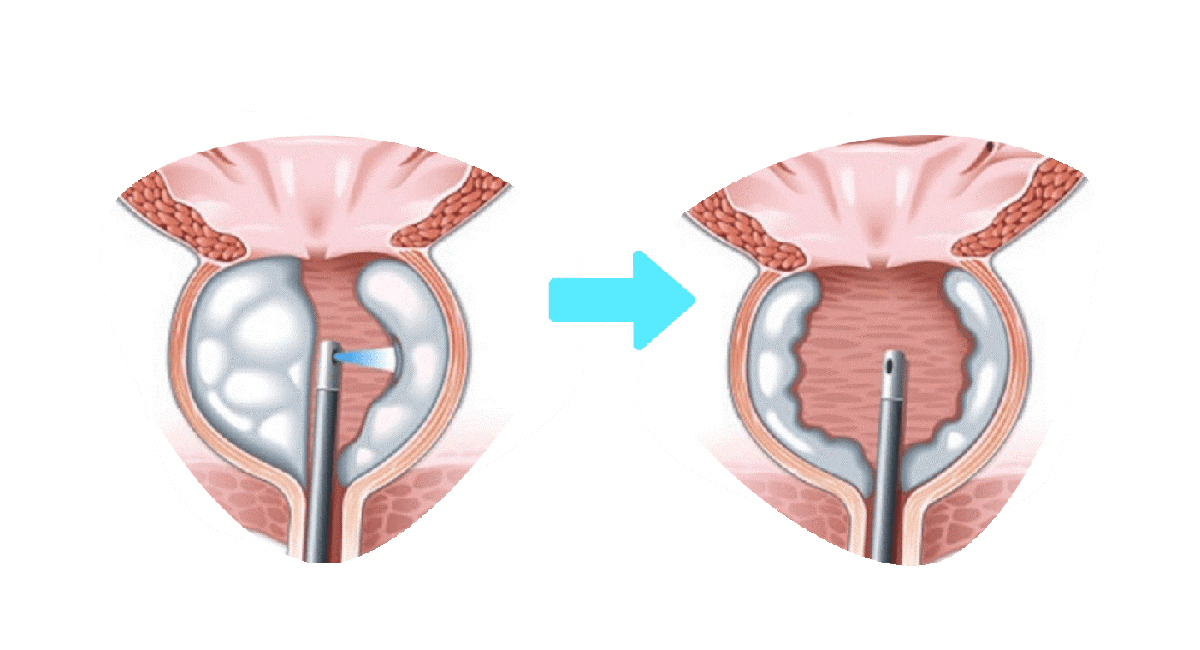
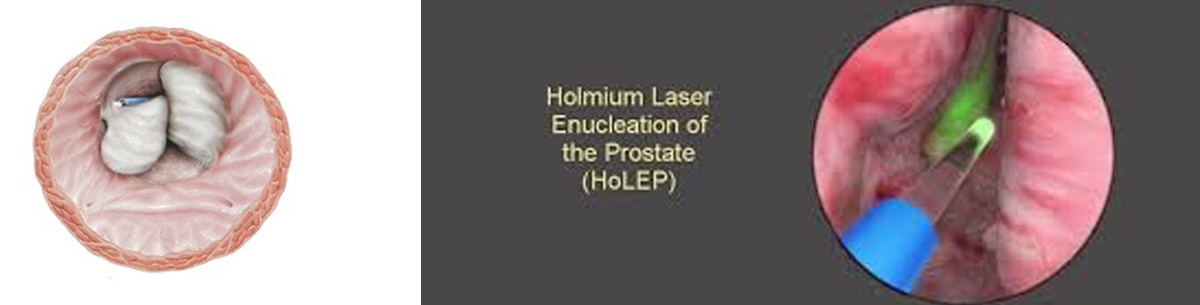
Holmium Laser Enucleation of the Prostate (HoLEP) surgery is a minimally invasive procedure performed under general or spinal anaesthesia. During the surgery, a small telescope-like instrument called a resectoscope is inserted through the urethra and into the prostate. A laser fibre is then passed through the resectoscope to deliver high-energy holmium laser beams to precisely remove the obstructive prostate tissue.
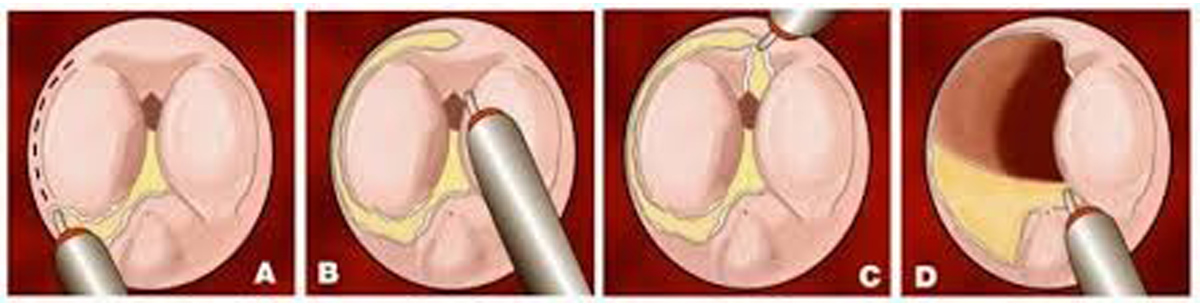
The laser energy vaporises the excess prostate tissue, which is then removed using a suction device. The surgeon enucleates the prostate lobes, separating them from the prostatic capsule, and the tissue fragments are sent for pathology analysis to rule out any underlying prostate cancer. The procedure is guided by direct visualisation through the resectoscope, allowing for precise removal of the prostate tissue while minimising damage to surrounding structures.
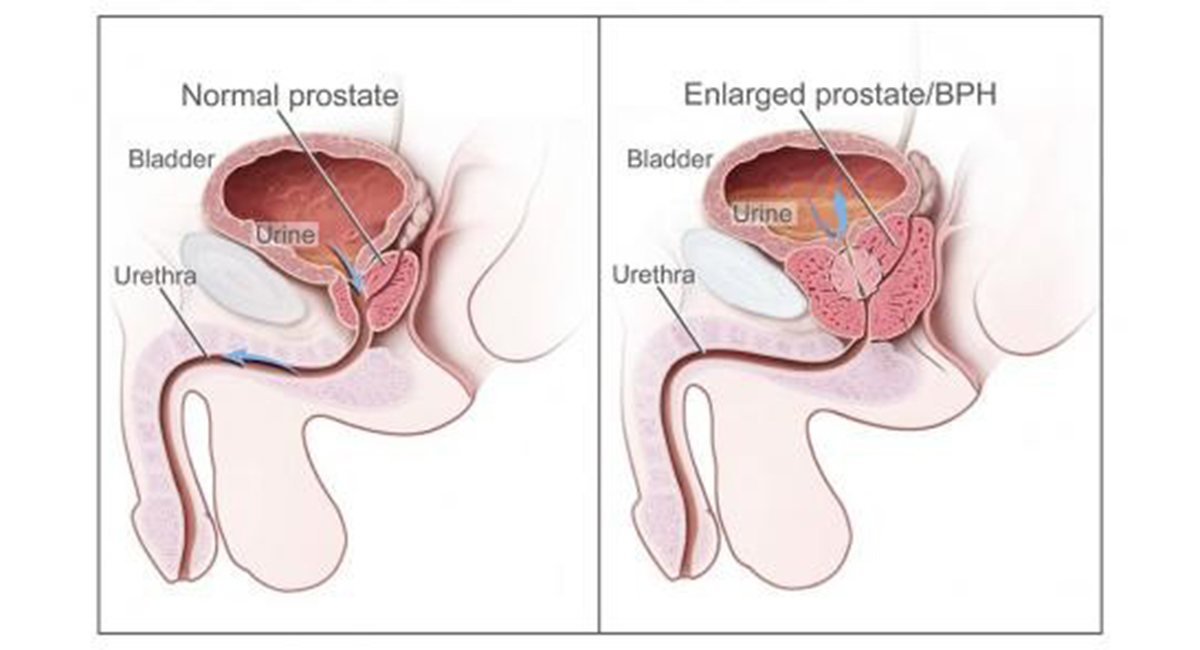
HoLEP surgery is typically recommended for individuals with moderate to severe urinary symptoms caused by BPH. It may be considered when medication or other non-surgical treatments have been ineffective or when the prostate is significantly enlarged. The decision to undergo HoLEP surgery is made following a thorough evaluation by a urologist, considering factors such as prostate size, overall health, and individual preferences.
HoLEP surgery is usually performed as an inpatient procedure, and the duration varies depending on the size of the prostate. After the surgery, a temporary urinary catheter is placed to allow drainage of urine and promote healing. The catheter is typically removed within a day or two after surgery, depending on the individual’s recovery. Most individuals can expect to stay in the hospital for a day or two and resume normal activities within a few weeks.
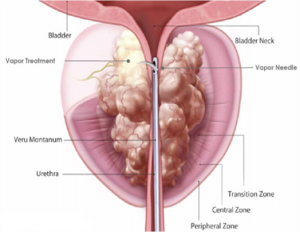
HoLEP surgery offers several advantages for individuals seeking treatment for BPH:
Symptom relief: HoLEP surgery has been Effective shown to significantly improve urinary symptoms, urinary flow rate, and quality of life.
Complete tissue removal: The procedure allows for the precise and thorough removal of prostate tissue, reducing the risk of residual tissue or regrowth.
Lower risk of complications: HoLEP has demonstrated low complication rates compared to traditional surgical techniques such as transurethral resection of the prostate (TURP).
Potential preservation of sexual function: HoLEP surgery has a lower risk of sexual side effects compared to some other BPH treatments. However, it’s important to consider the following aspects:
Potential risks and complications: Although uncommon, potential risks include bleeding, urinary tract infection, urinary incontinence, and temporary difficulty with urination.
Surgical expertise: HoLEP surgery requires specialised training and experience in laser techniques and may not be widely available in all healthcare settings.
© 2025 Om Kidney Hospital. All Rights Reserved. Designed & Developed By: Desiration Hub.

 Appointment